
Scenarios › In the Field
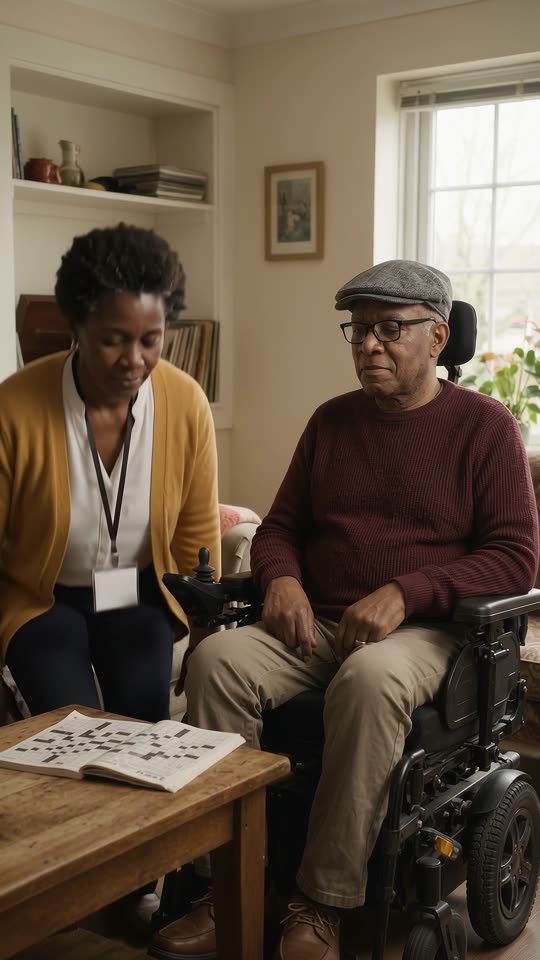
Supervision · 10 episodes
In the Field
See it. Say it. Support it.
For supervisors of direct support staff: real observation in the field, stopping unsafe care, feedback that lands, finding the real cause, hands-on coaching, coaching new staff, concerns you must report rather than coach, rebuilding trust, making it safe to speak up, and following up. Follow your agency's policies and your state's reporting rules.
The episodes
-
EP 1 · FreeUnannounced
Key takeaway Field supervision means seeing care as it really happens. Visit at different times, some unannounced, and watch quietly before you step in. Start with the person: ask them how things are going and look at their day through their eyes. What you observe, not what's on paper, tells you where staff need support.
-
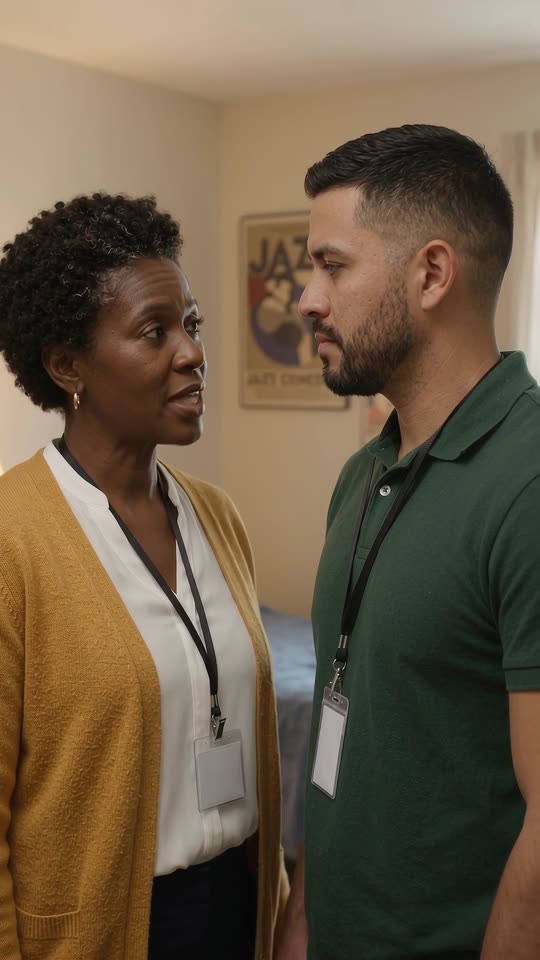 EP 2Stop
Key takeaway If you see care that could hurt someone, stop it right away, calmly and clearly, even in front of others. Safety comes before feedback. Make sure the person is safe and the task is done the right way, then have the coaching conversation later, in private. And when someone says it happens every night, that's a pattern to look into.
-
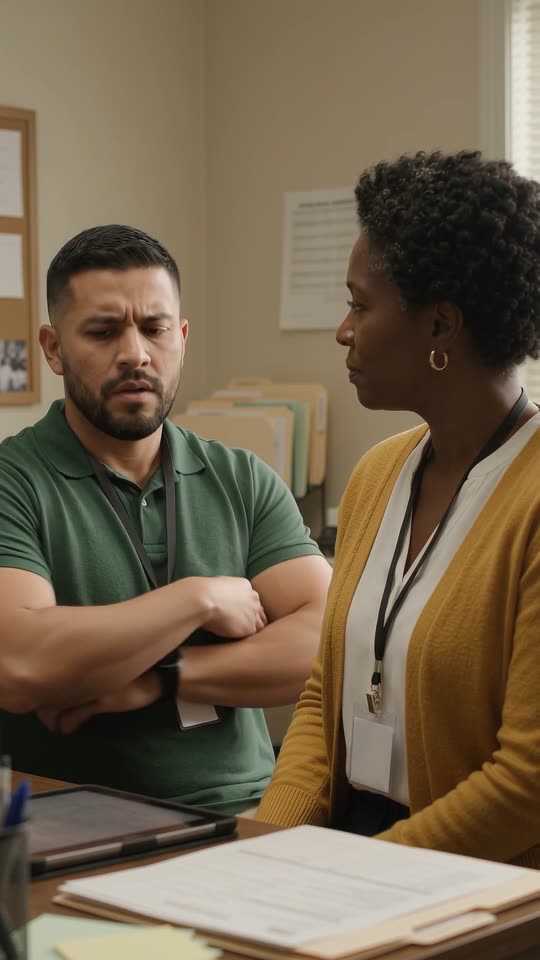 EP 3Not in Front of Him
Key takeaway Give feedback soon and in private. Say exactly what you saw, why it matters, and what's expected, then ask for their side and really listen. Keep the expectation clear even when there's a reason behind the mistake. Specific, private and two-way feedback is heard; public blame isn't.
-
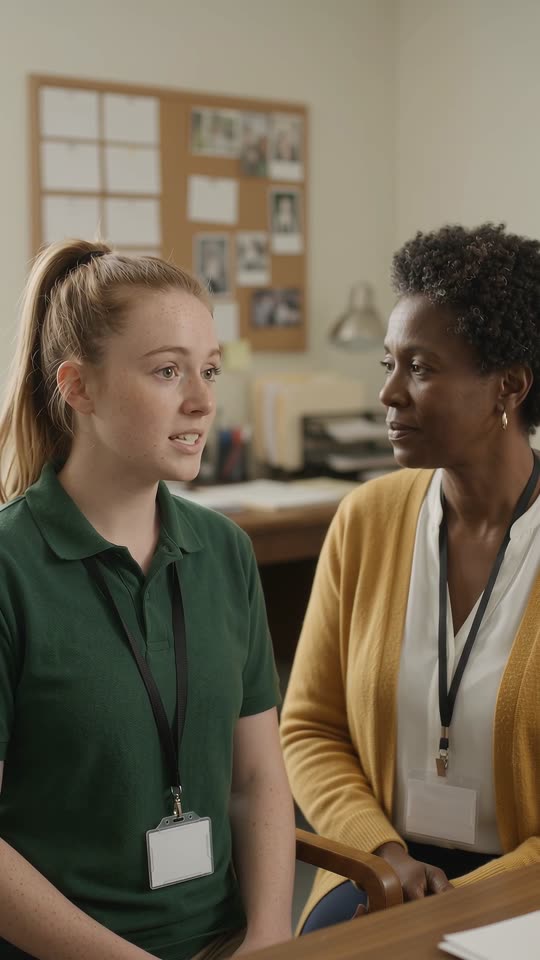 EP 4Why It Happened
Key takeaway When a mistake happens, look for why: staffing, schedules, training, equipment, unclear plans. Ask other staff how things really work. Coach the individual, and fix the system problems you find, raising them to leadership when you can't solve them yourself. Blame alone makes the same mistake happen again.
-
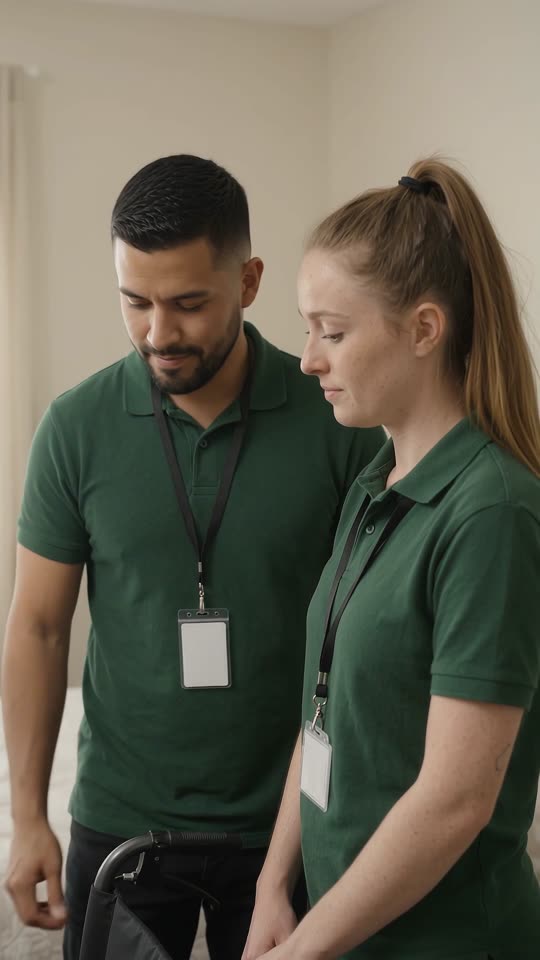 EP 5Show Me, Then You
Key takeaway Coaching works best hands-on: explain why, show how, then watch the staff member do it themselves and give feedback right away. Praise specific things they did well, not just "good job". Agree on when you'll observe again. Skills stick when people practise with you, not when they only sign a form.
-
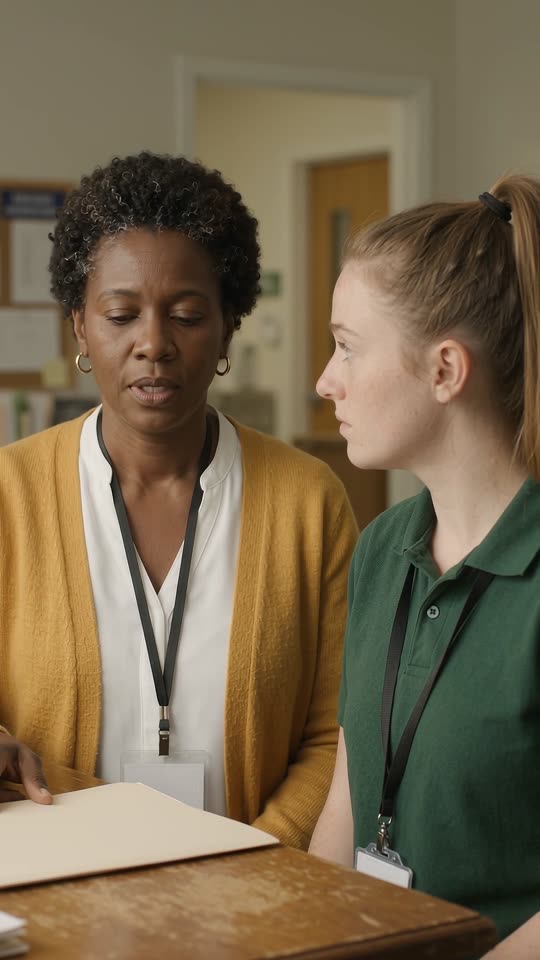 EP 6The Note That Doesn't Match
Key takeaway New staff often copy the habits around them. When a note doesn't match what you saw, ask what happened, without shaming. Be clear about the standard: write it after, write what really happened, and report changes like not eating or pain. Fear makes people hide mistakes; support makes them speak up.
-
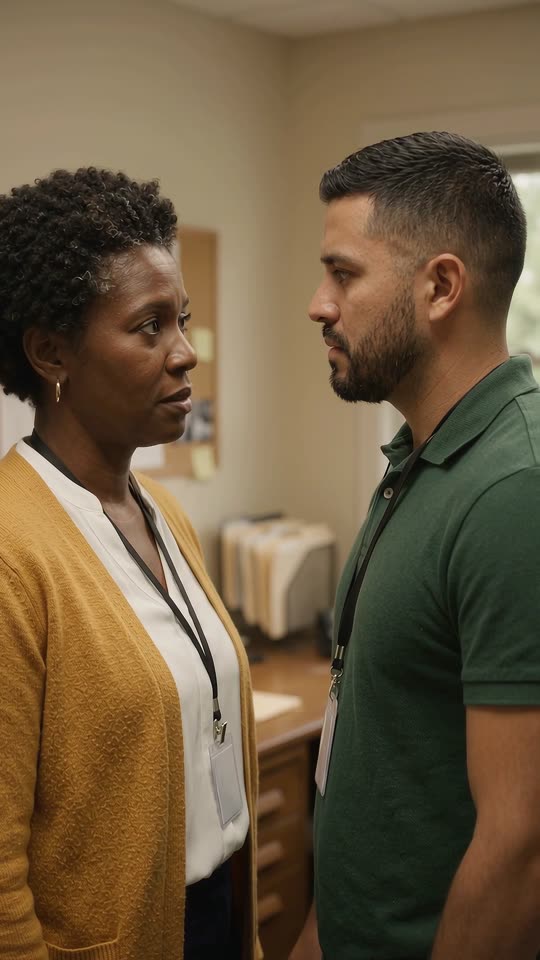 EP 7Not a Coaching Moment
Key takeaway Not every problem is a coaching matter. Threats, humiliation, withholding food or any possible abuse or neglect must be reported right away under your agency's policy and state law, even when it's a good employee and even if they were exhausted. Make sure the person is safe first. Don't investigate it yourself or promise an outcome; follow the reporting process.
-
 EP 8Back on the Floor
Key takeaway When a staff member returns after a serious issue, have a clear plan: what's expected, when you'll observe, and when you'll meet. Fix what contributed to it, and give them a way to ask for help before things go wrong. Trust is rebuilt through follow-through, by the staff member with the person they support, and by you with the staff member.
-
 EP 9Hannah Speaks Up
Key takeaway Staff only report problems if they believe it's safe. Thank people for raising concerns, take every one seriously, act on it, and protect them from blame or retaliation. How you react to the first small concern decides whether you hear about the big one.
-
 EP 10Two Weeks Later
Key takeaway Document every supervision visit: what you observed, the feedback given, what was agreed, the support offered and when you'll follow up. Then come back when you said you would and look again. Follow-up is where coaching turns into lasting change, and where good staff grow into mentors.
Each episode is about a minute, with a quick check after it. Watch in the ScenarioPlus app or on the web. Get the app