
Scenarios › One Step at a Time
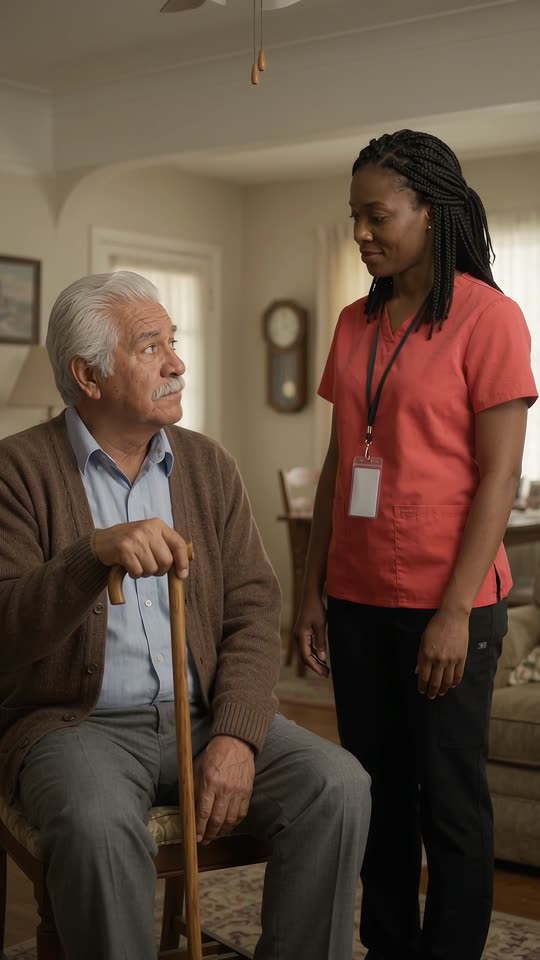
Falls and mobility · 10 episodes
One Step at a Time
Every fall prevented is a life kept whole.
For home care aides and caregivers: near-misses, home hazards, helping someone stand safely, walking aids, nights, unreported falls and blood thinners, never rushing, strength, fear of falling and the fall prevention plan. Follow the person's care plan, your agency's policies and your therapist's or nurse's instructions.
What you'll learn
- A near-miss is a warning
- Fix hazards with the person
- Help them stand the safe way
- Walking aids only help if they're used
- Make nights safe
- Every fall gets reported
- Never rush
- Strength prevents falls
- Fear of falling is a fall risk
- One plan, every visit
The episodes
-
EP 1 · FreeJust a Wobble
Key takeaway A wobble, a trip or a grab for the furniture is a fall that almost happened. Report near-misses like you would a fall. Check for dizziness on standing, slippery socks or loose shoes, and other causes. Teach the person to sit at the edge, pause, then stand slowly, and write down what you saw.
-
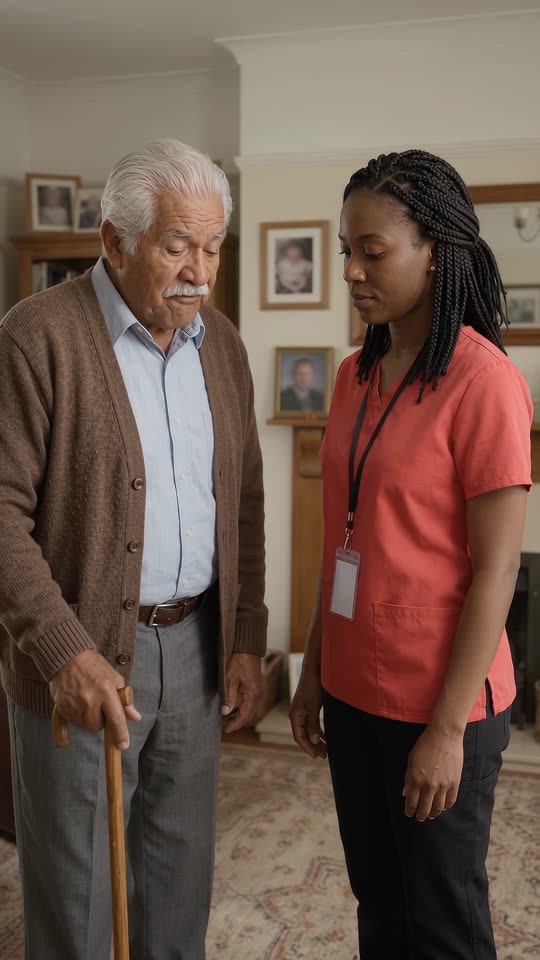 EP 2His Wife's Rug
Key takeaway Look for fall hazards on every visit: loose rugs, cords, clutter, poor lighting, stairs without rails. It's the person's home, so explain the risk and agree on the fix together: secure it, move it or find another way. Dignity and safety go together. Report hazards you can't fix.
-
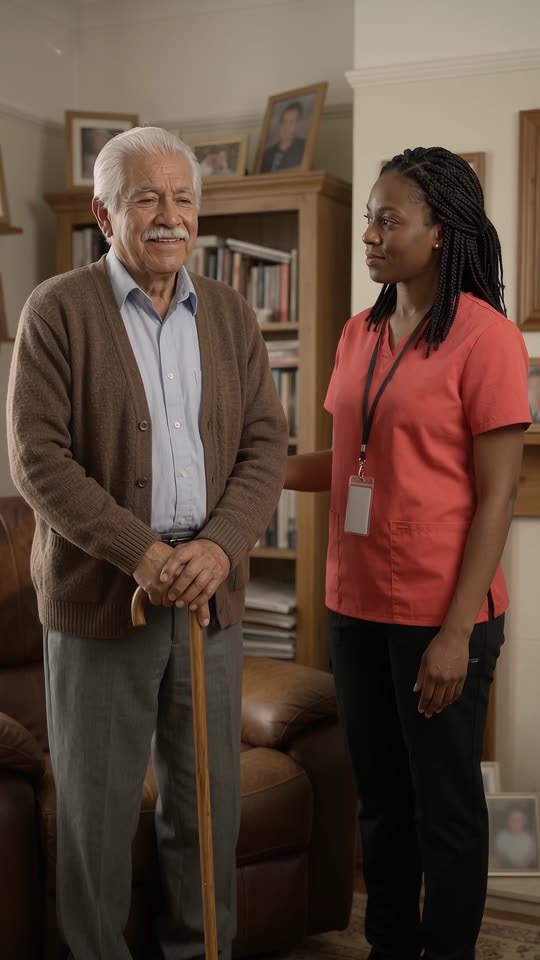 EP 3Not by the Arm
Key takeaway Never pull someone up by the arm or hands: it can injure their shoulder and throw you both off balance. Coach them to scoot forward, place their feet back, push up from the armrests and lean forward, nose over toes. Use a gait belt or other equipment when the care plan calls for it.
-
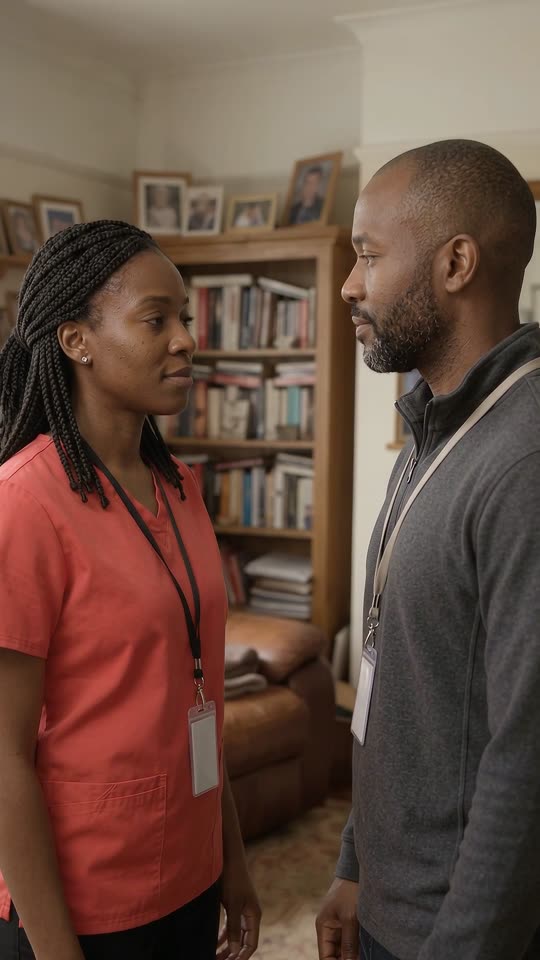 EP 4The Cane in the Corner
Key takeaway Encourage the person to use their cane or walker every time, not furniture. A walking aid that's the wrong height or in poor repair won't be used, so report it to the therapist or nurse rather than adjusting it yourself. Keep the aid within reach and the path clear.
-
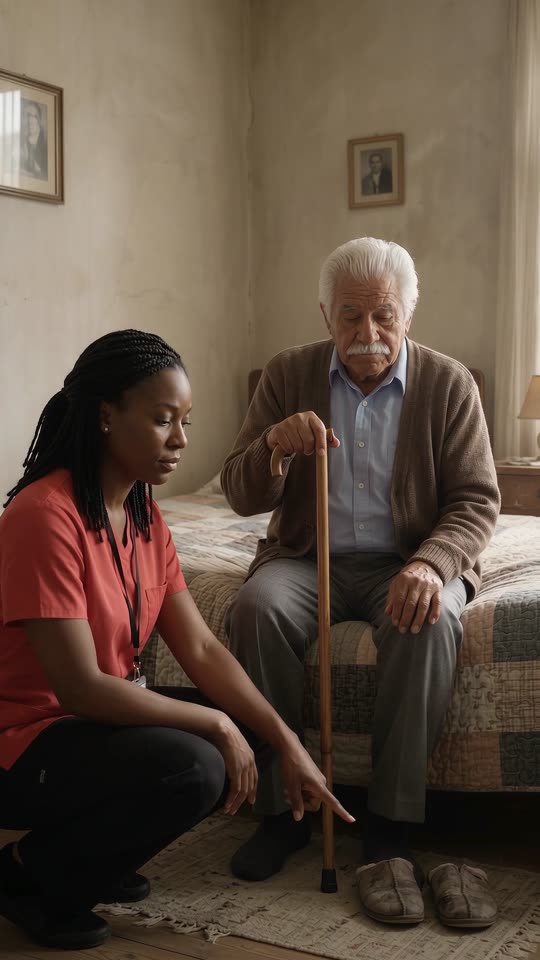 EP 5Two in the Morning
Key takeaway Many falls happen at night, on the way to the bathroom. Light the path with night lights, keep slippers and a lamp within reach of the bed, clear the way, and encourage the person to sit for a moment before standing. Tell the nurse about frequent night-time bathroom trips: there may be a cause to treat.
-
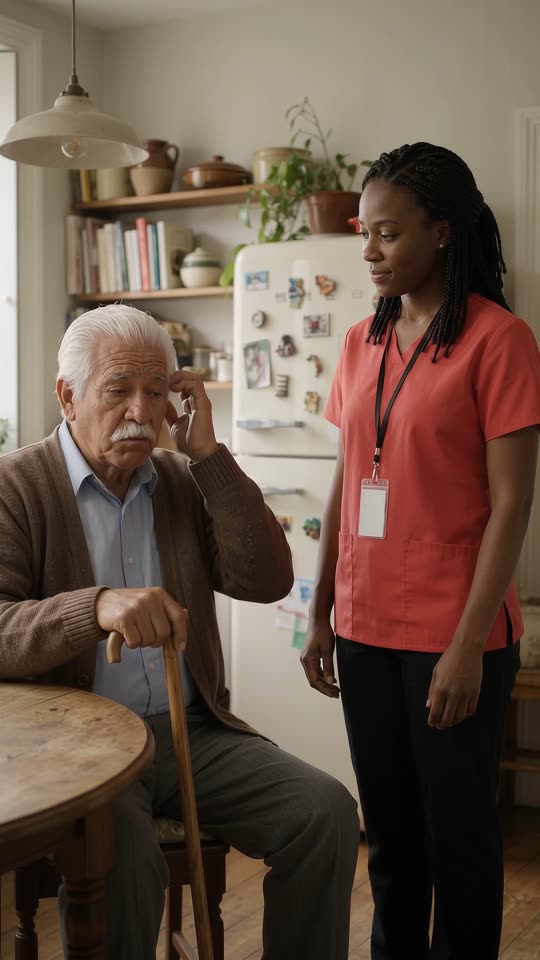 EP 6The Fall Nobody Saw
Key takeaway Report every fall, even one nobody saw and even if the person got up alone and says they're fine. Ask about a head strike, pain and new confusion. A person on a blood thinner who hit their head needs urgent medical care, even with no visible injury. Tell your supervisor and complete an incident report.
-
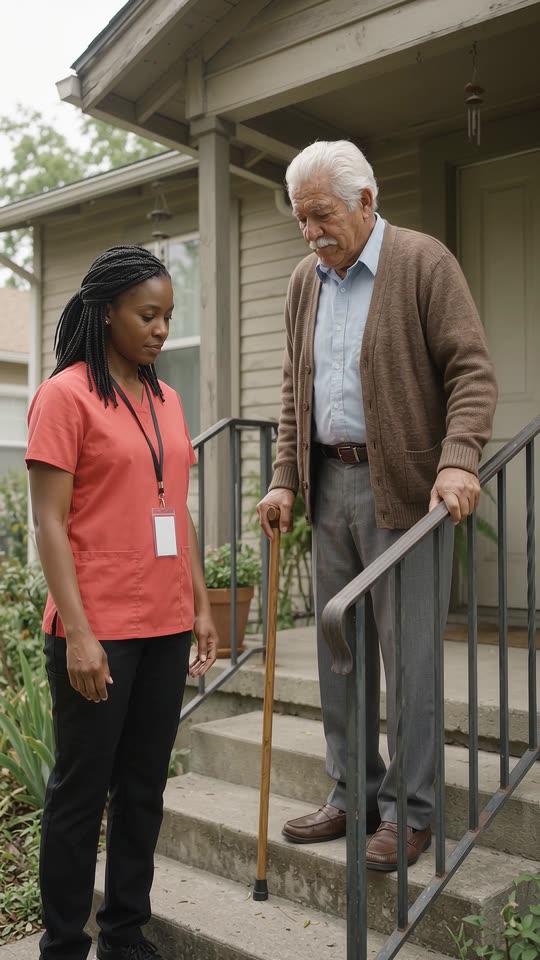 EP 7Hurry Up
Key takeaway Rushing causes falls. Let the person set the pace, plan extra time for getting ready and for steps, and call ahead if you're running late. On stairs, they hold the rail with their strong hand, and you stay a step below on their weaker side going down.
-
 EP 8Stronger Every Day
Key takeaway Weak legs and poor balance are major causes of falls, and strength can improve at any age. Encourage the exercises in the person's plan from the therapist, every day, exactly as written. Don't add exercises of your own. Stop and report if anything causes pain, dizziness or shortness of breath.
-
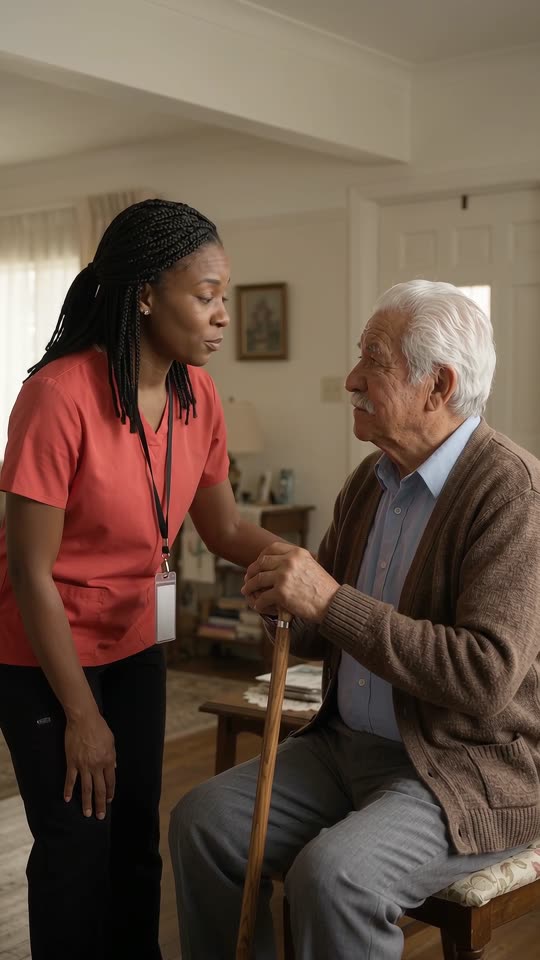 EP 9Afraid to Move
Key takeaway After a fall, many people move less because they're afraid, and that makes them weaker and more likely to fall again. Take the fear seriously, encourage safe activity in small steps, and report the change to the nurse or therapist. Decisions like a wheelchair belong to the care team, the person and their family together.
-
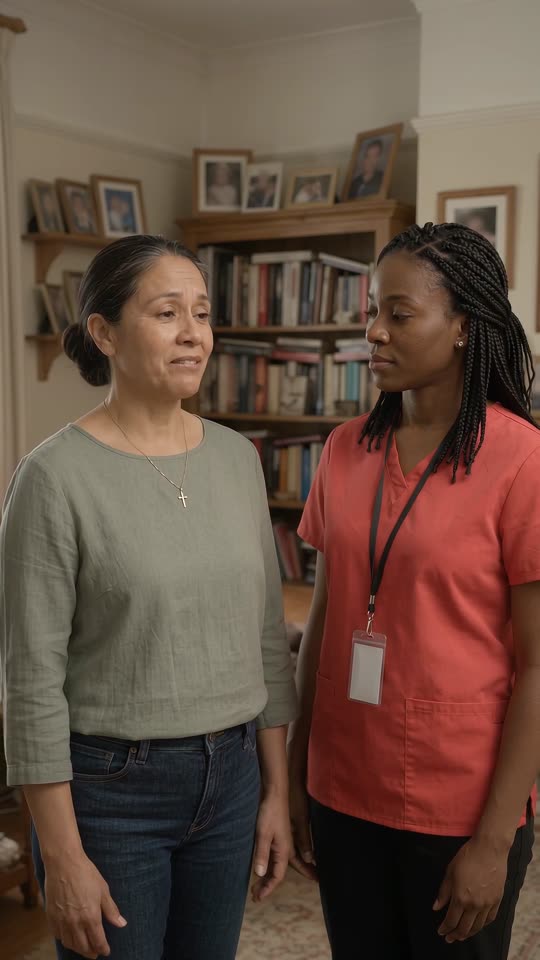 EP 10The Plan on the Fridge
Key takeaway A fall prevention plan works only when everyone follows it: the person, the family and every aide on every visit. Keep it simple and visible, check it each visit, report every fall and near-miss the same day, and update the plan with the care team when something changes. The goal is safe independence, not less living.
Each episode is about a minute, with a quick check after it. Watch in the ScenarioPlus app or on the web. Get the app