
Scenarios › Start of Care

Home health assessment · 10 episodes
Start of Care
The first visit sets up everything.
For home health nurses and therapists: the start-of-care in-home assessment. Timing, patient rights, homebound status, an accurate assessment, every medicine in the home, home safety, caregivers and emergency plans, screening, the patient's own goals, and closing the loop with the physician. Follow your agency's policies and the Medicare Conditions of Participation.
The episodes
-
EP 1 · FreeWithin 48 Hours
Key takeaway The initial assessment visit is due within 48 hours of the referral or of the patient's return home, or on the start date the physician ordered. The full comprehensive assessment must be finished within 5 days of the start of care. Call the patient the same day you get the referral, and document if they ask for a later date.
-
 EP 2Before Anything Else
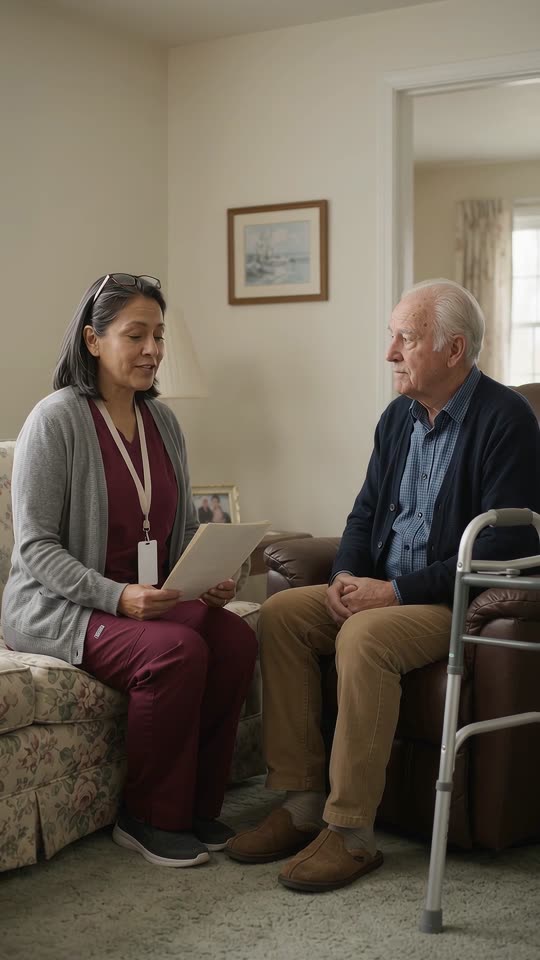
Key takeaway At the first visit, introduce yourself, show your ID and explain why you're there before any care. Give and explain the patient's rights, the privacy notice, how to make a complaint and what care is planned. Ask about advance directives, get consent, and document that it was done. The patient can refuse any part of care.
-
 EP 3Homebound
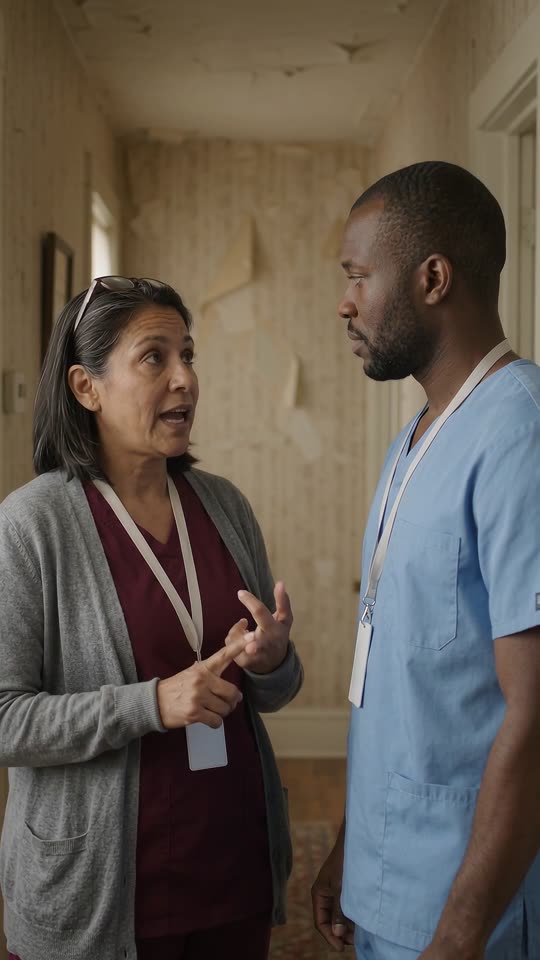
Key takeaway Homebound doesn't mean the patient never leaves home. It means leaving takes a considerable and taxing effort, for example needing a walker, a wheelchair or another person's help, and that absences are infrequent and short or for medical care, religious services or adult day care. Document the specifics: how far, with what help, and how they felt afterwards.
-
 EP 4Show Me
Key takeaway In the comprehensive assessment, score what you observe, not only what the patient or family tells you. Ask the patient to show you how they walk, transfer, get to the bathroom and manage their medicines. Keep them safe while they do it. Never score higher or lower to change payment: an accurate assessment is the base for the plan of care and is a legal record.
-
 EP 5The Shoebox
Key takeaway A discharge list is only a starting point. Review every medicine in the home: all prescribers, over-the-counter medicines, vitamins, supplements, and old or borrowed pills. Look for duplicates, interactions, wrong doses and medicines that were stopped. Report any problems to the physician the same day, and teach the patient and family the correct list.
-
 EP 6Walk the House
Key takeaway The start-of-care visit includes a home safety check: walk the routes the patient uses, day and night. Look for loose rugs, clutter, poor lighting, stairs without rails, missing grab bars, and smoke alarms that don't work. Agree on fixes with the patient, teach, refer to therapy when needed, and document what you found and what was done.
-
 EP 7Who Helps at Night?
Key takeaway Find out who helps the patient, when, and whether they're able to do it safely, including at night. Ask the caregiver how they are coping, and look for other support and services. Make an individual emergency plan with the patient and family: who to call, medicine and doctor lists, and what to do if the power goes out or a storm comes.
-
 EP 8How Are You, Really?
Key takeaway The start-of-care assessment includes screening for pain, mood, memory and thinking, not only the reason for the referral. Ask the standard screening questions even when the patient seems cheerful. Listen, respond with kindness, and report concerns to the physician. Depression after surgery or illness is common, and treatable.
-
 EP 9His Goals, Not Ours
Key takeaway Ask the patient what matters to them and build the plan of care around their own goals. Turn their goal into measurable steps, and decide which disciplines they need, such as physical therapy, occupational therapy, an aide or a social worker. Discharge planning starts at the first visit: what will they need to manage safely without you?
-
 EP 10Close the Loop
Key takeaway After the start-of-care visit, report important findings to the physician promptly, write down and read back verbal orders, and send them for signature. Finish the comprehensive assessment within 5 days of the start of care, answering every item from what you observed. Share the plan of care with the whole team before their first visits.
Each episode is about a minute, with a quick check after it. Watch in the ScenarioPlus app or on the web. Get the app