
Scenarios › Missing!
Missing person · 10 episodes
Missing!
Every minute counts.
For direct support staff: when someone with dementia or a disability goes missing. The first minutes, what to tell 911, finding them with kindness, outings, door alarms, profiles, not chasing, honest night checks, safe handoffs and preventing it next time. Follow your agency's missing person procedure.
The episodes
-
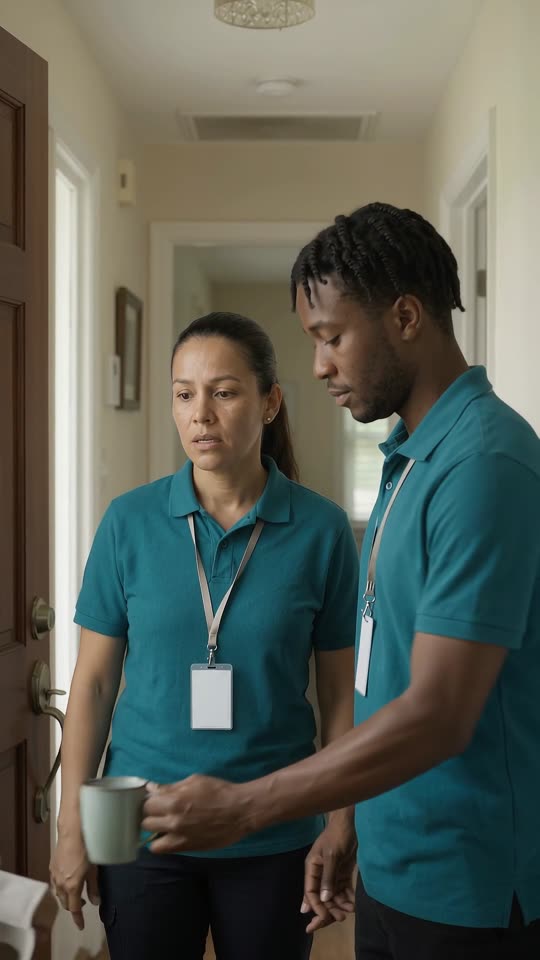
EP 1 · FreeWhere's Harold?
Key takeaway When someone with dementia or a disability goes missing, treat it as an emergency from the first minute. Search the home and grounds quickly, including closets and small spaces, but don't wait long: call 911 within the first 15 minutes, sooner if weather, traffic or their health puts them at risk. Then tell your supervisor. Never assume they'll come back on their own.
-
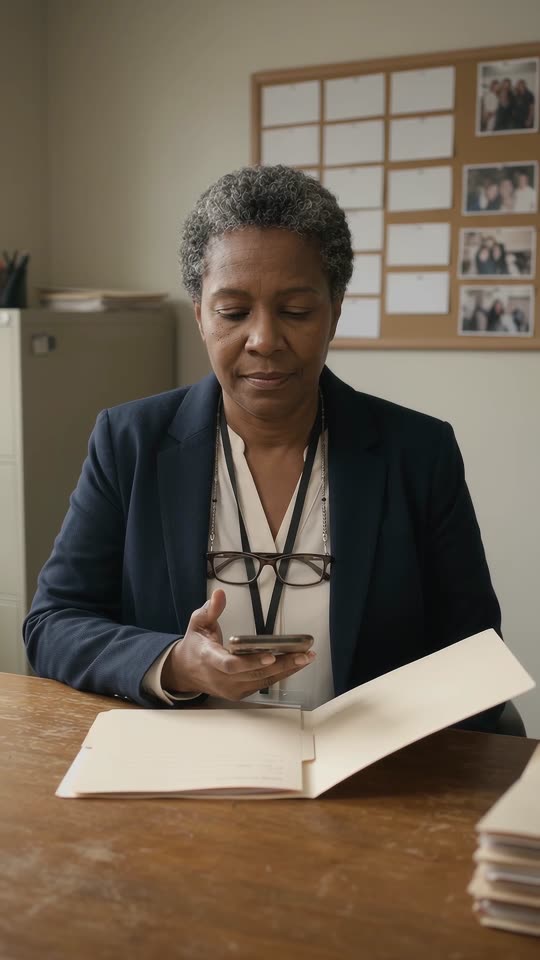 EP 2What Was He Wearing?
Key takeaway Give 911 a clear description: what the person looks like, what they're wearing, any medical needs, and where they might go, like a former home, job or favourite place. Keep a current photo and profile for everyone at risk of wandering, and notice what people are wearing at the start of every shift.
-
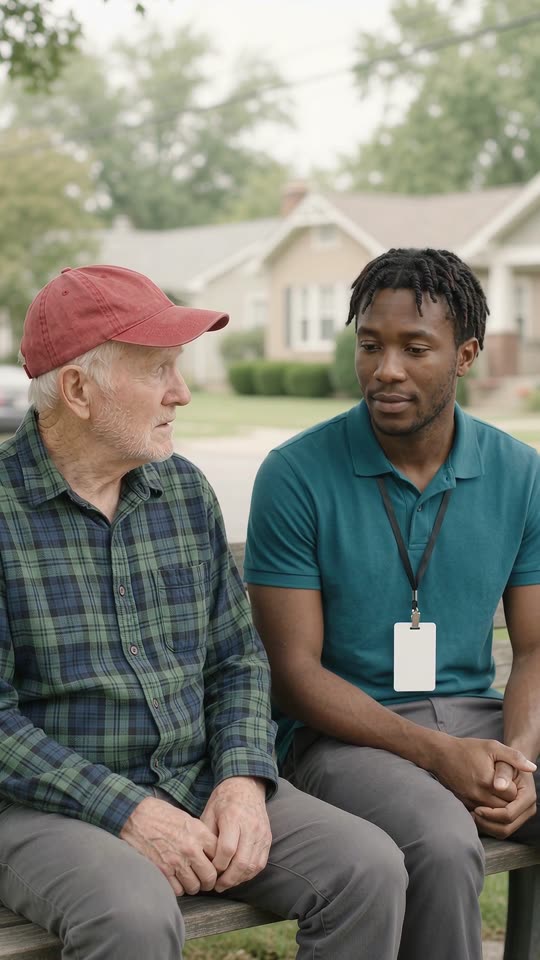 EP 3He Just Wanted to Go Home
Key takeaway When you find a missing person, stay calm and kind. Scolding adds fear and shame. Check that they're warm, unhurt and comfortable, and stay with them. Tell 911 and your supervisor right away that they've been found, then follow your agency's reporting rules and any medical check.
-
 EP 4Lost at the Store
Key takeaway On outings, know each person's supervision plan and keep your eyes on them, not your phone. If someone goes missing in a store or public place, ask staff to watch the exits, call 911 quickly, and search the places that person is drawn to, like quiet corners. Approach calmly when you find them.
-
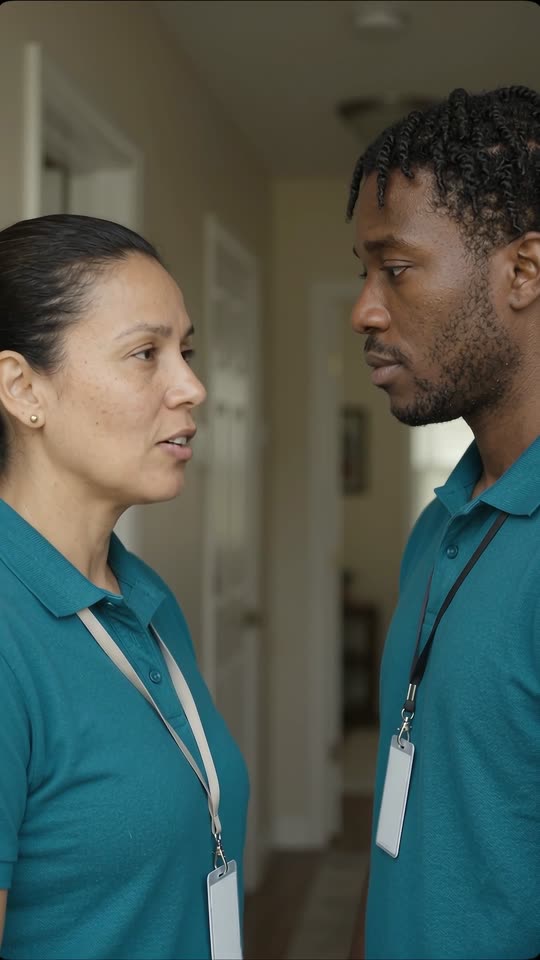 EP 5The Door Alarm
Key takeaway Door alarms, sensors and other safety devices are there because someone's plan needs them. Never switch them off or ignore them, and check every alert in person. If an alarm seems unnecessary or too restrictive, raise it with the person's team so the plan can be reviewed.
-
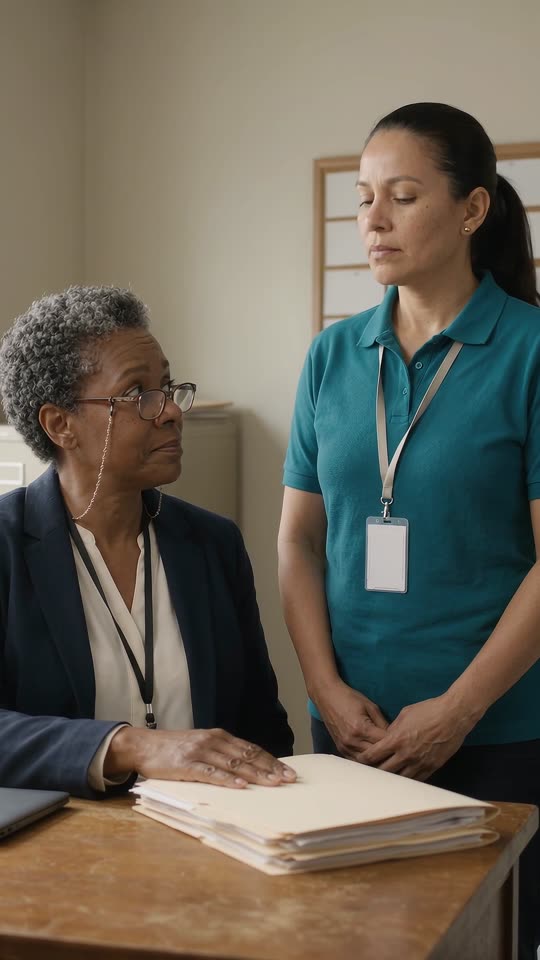 EP 6The Photo on File
Key takeaway Keep a missing person profile for everyone at risk of wandering: a recent photo, physical description, medical needs, how they communicate, what calms them and places they might go. Store it where any staff member can grab it in seconds, and update it whenever something changes.
-
 EP 7Don't Chase
Key takeaway If someone bolts, chasing and shouting can make them run faster, sometimes into danger. Stay calm and keep them in sight, use a calm voice and the things that matter to them, and position yourself between them and real hazards like a road only if you can do it safely. Call for help if you lose sight of them.
-
 EP 8Night Checks
Key takeaway Night checks only protect people if they really happen. Look in on each person at the times in their plan and write down what you actually saw, when you saw it. Filling in checks you didn't do is falsifying records, and it can hide the moment someone goes missing.
-
 EP 9Never Arrived
Key takeaway Many missing-person scares happen at handoffs: vans, day programs, outings and shift changes. Hand people over person to person, confirm they arrived, and agree that anyone who doesn't show up gets a call right away. If you can't confirm where someone is, treat them as missing.
-
 EP 10What Made Him Go?
Key takeaway After someone goes missing, look for the reason, not just a lock. Wandering often has a purpose: an old routine, a need, a fear or boredom. Work with the person, their family and their team to meet that need, keep safety measures in their plan, and keep their profile and supervision up to date.
Each episode is about a minute, with a quick check after it. Watch in the ScenarioPlus app or on the web. Get the app