
Scenarios › Medication Support

Medication · 10 episodes
Medication Support
Right person. Right medicine. Right time.
For direct support staff who help people with their medicine: the rights of medication, refusals, not pre-pouring, missed doses, medication errors, documenting, side effects, outings, locked storage and counts, and as-needed medicines. Follow your agency's medication policy, your nurse's instructions and your state's rules on who may give medication.
The episodes
-
EP 1 · FreeThe Right Person
Key takeaway Before giving any medicine, check the rights every time: the right person, the right medicine, the right dose, the right time, the right way, and the right record. Compare the label with the medication record three times, prepare one person's medicine at a time, and confirm who they are before you give it. Only staff trained and approved by your agency may give medication.
-
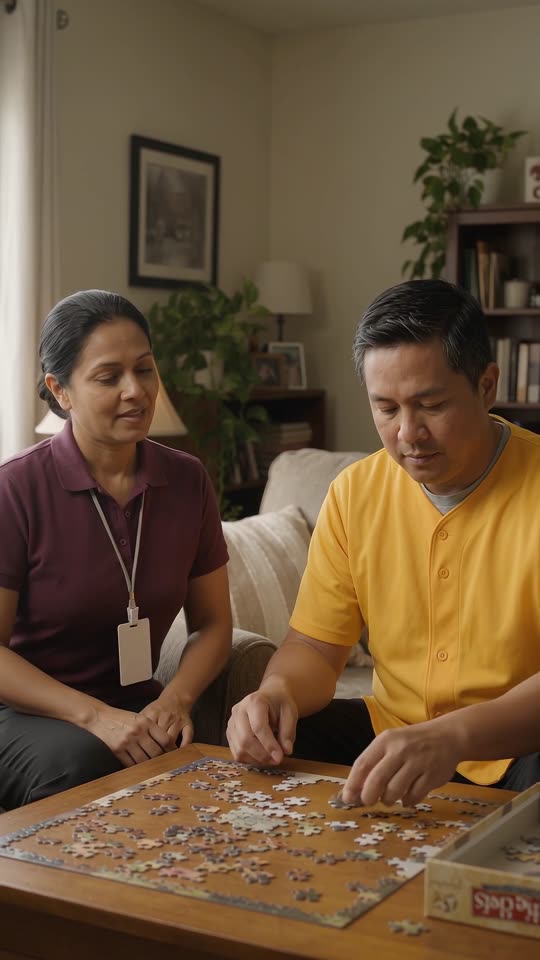 EP 2Not Now
Key takeaway People have the right to refuse their medicine. Never hide medicine in food or drink unless there's a written order for it. Ask calmly why, and follow your agency's policy on offering again within the allowed time. Write down the refusal and the reason, and tell the nurse or supervisor. The reason often has a fix.
-
 EP 3Saving Time
Key takeaway Prepare medicine for one person right before you give it, and give only what you prepared yourself. Pouring ahead of time means nobody can check the pills, they can be mixed up or contaminated, and they may be given late. Never give medicine someone else poured. If pills were poured by mistake, ask the nurse how to dispose of them safely.
-
 EP 4The Missed Dose
Key takeaway If a dose was missed, never give two at once to catch up and never guess. Call the nurse, pharmacist or prescriber right away and follow their instructions. Check how the person is feeling, write down what happened and what you were told, and complete your agency's incident report. Reporting a mistake protects the person and you.
-
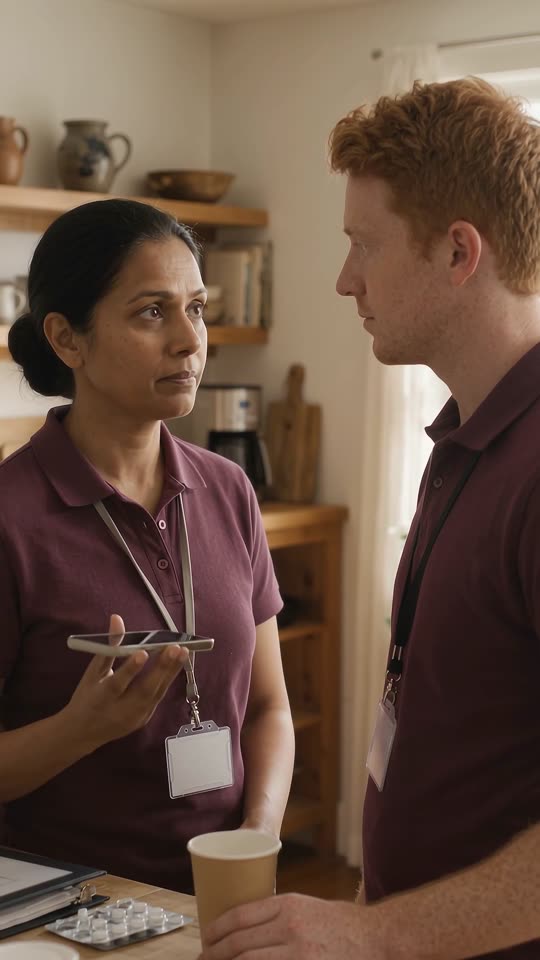 EP 5Wrong Cup
Key takeaway If someone gets the wrong medicine, stay with them and watch how they are. Call the nurse or prescriber right away, or Poison Control at 1-800-222-1222. Call 911 if they have trouble breathing, become very drowsy or can't be woken. Keep the medicine packages, tell your supervisor, and complete an incident report. Speaking up fast is what keeps people safe.
-
 EP 6Sign When You Give
Key takeaway Document each dose right after the person takes it, never ahead of time, and only for medicine you gave yourself. If a dose is refused, held or missed, use the right code and write the reason. The medication record is a legal document: the next person and the nurse rely on it to keep the person safe.
-
 EP 7Something's Different
Key takeaway Know what each person's medicines are for and what side effects to watch for, especially after a new medicine or a change in dose. If you notice dizziness, drowsiness, confusion, a rash or any change, report it to the nurse or prescriber right away. Never stop, skip or change a medicine on your own. Write down what you saw and what you were told.
-
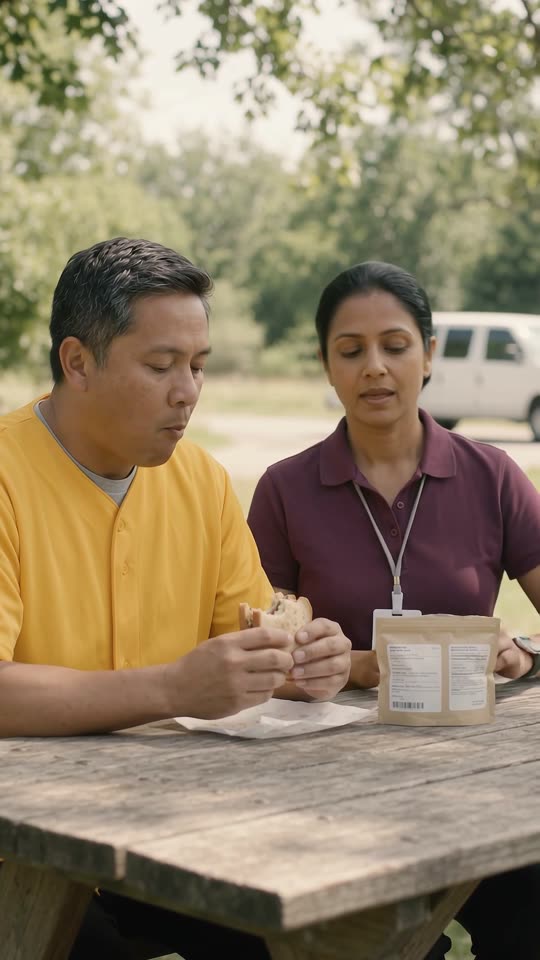 EP 8On the Go
Key takeaway When a dose is due away from home, take it in the original pharmacy package, never loose or in a bag, with a copy of the medication record, in a secure pouch that stays with you. Do the same checks as at home, give it on time and in private, and document it. Hand medicine over to another program only by your agency's process.
-
 EP 9The Locked Cabinet
Key takeaway Keep medicine locked whenever you step away, even for a minute, and keep the keys on you. Count controlled medicines with another staff member at every shift change, and sign the count together. If the count is off, don't leave and don't guess: recheck, then report it to your supervisor right away.
-
 EP 10Only When Needed
Key takeaway For an as-needed medicine, read the order first: what it's for, the dose, and how often it may be given. Check when the last dose was given. Never give it early, and try comfort measures. If the need continues, call the nurse. Write down the reason, the time and whether it helped.
Each episode is about a minute, with a quick check after it. Watch in the ScenarioPlus app or on the web. Get the app