
Scenarios › Emergency Ready

Emergencies · 10 episodes
Emergency Ready
Stay calm. Act fast. Call right.
For direct support staff and caregivers: falls, choking, seizures, stroke signs, low blood sugar, chest pain and who to call, allergic reactions, fire, power cuts and handing over to paramedics. Follow your agency's emergency procedures and your first aid training.
The episodes
-
EP 1 · FreeDon't Lift Him Yet
Key takeaway After a fall, don't rush to pull the person up. Check if they hit their head and if anything hurts, especially the neck, back or hip. If they hit their head, are in severe pain, can't move or seem confused, call 911 and keep them still. If they're not hurt, follow their fall plan for getting up safely, and report every fall to the nurse or supervisor.
-
 EP 2Can You Speak?
Key takeaway If someone is choking but can still cough or speak, encourage them to keep coughing and stay with them. Don't give water or slap their back while they're coughing. If they can't speak, cough or breathe, call 911 right away and give choking first aid, back blows and abdominal thrusts, the way you were trained. Let the nurse know, and follow any eating plan the person has.
-
 EP 3Time It
Key takeaway During a seizure, stay with the person, time it, move hard objects away and cushion their head. Never hold them down or put anything in their mouth. When it stops, turn them on their side and check their breathing. Call 911 if it lasts more than five minutes, another one starts, they're hurt or have trouble breathing, or their seizure plan says to. Always tell the nurse.
-
 EP 4Not Himself
Key takeaway Sudden face drooping, arm or leg weakness, slurred or strange speech, sudden confusion, loss of balance or vision changes can mean a stroke. Never let the person sleep it off. Call 911 right away, note the time the signs started, and give nothing to eat, drink or swallow. Every minute matters for treatment.
-
 EP 5Shaky and Sweaty
Key takeaway Shaking, sweating, sudden confusion or irritability in someone with diabetes can mean low blood sugar. Follow their care plan: check their sugar if you're trained, and if they're awake and can swallow, give fast sugar like juice, then recheck in fifteen minutes. If they can't stay awake or swallow, give nothing by mouth and call 911. Tell the nurse every time.
-
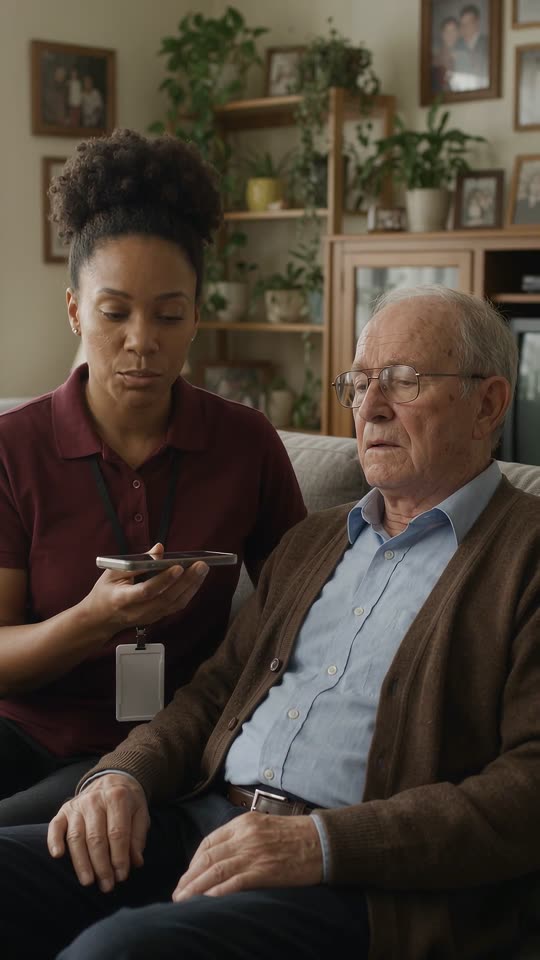 EP 6Call First, Text Later
Key takeaway Call 911 first for anything life-threatening: chest pain or pressure, trouble breathing, signs of a stroke, someone who won't wake up, severe bleeding or a long seizure. Call the nurse for health changes that aren't emergencies, like a new fever, a rash or a missed medication. Call your supervisor for everything else, and always after you call 911. Follow your agency's emergency policy.
-
 EP 7Swelling
Key takeaway Swelling of the lips or tongue, a tight throat, wheezing, hives or vomiting after a food or sting can be a severe allergic reaction. If the person has a prescribed epinephrine auto-injector and you're trained, use it right away and call 911, even if they start to feel better. Note the time, keep the food packaging, and report it. Check every snack against the person's allergies.
-
 EP 8Get Out, Stay Out
Key takeaway When there's smoke or fire, get everyone out using the home's evacuation plan, helping those who need it, and close doors behind you. Call 911 from outside and meet at the agreed meeting place. Only use an extinguisher on a very small fire if you're trained and have a clear way out. Never go back inside for belongings. Practise the fire drill, especially for people who need help moving.
-
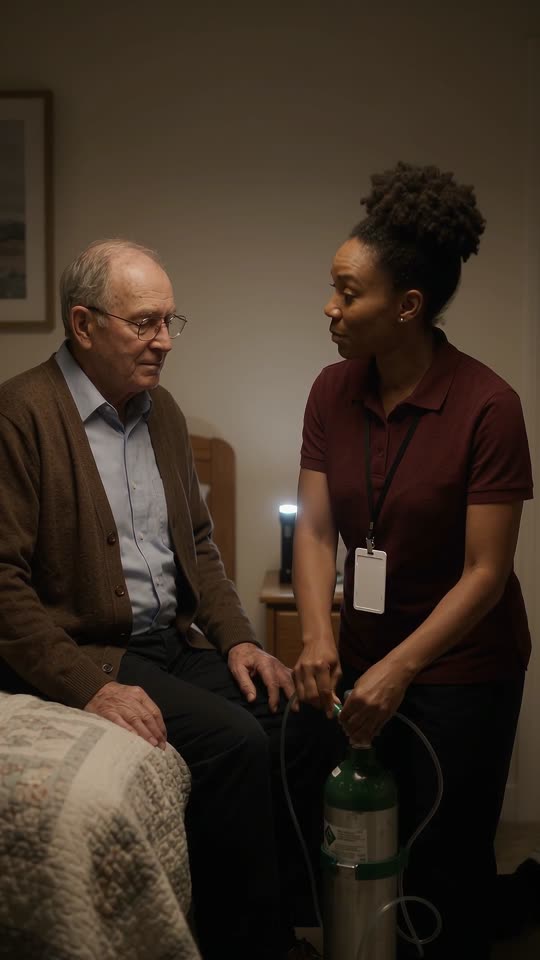 EP 9Lights Out
Key takeaway Know each person's plan for when the power goes out, especially for oxygen, breathing machines and medicines that must stay cold. Switch to backup equipment as the plan says, use flashlights, never candles near oxygen, and keep the fridge closed. Never run a generator indoors. Tell your supervisor, and call 911 if anyone has trouble breathing.
-
 EP 10When the Paramedics Arrive
Key takeaway When paramedics arrive, tell them what happened, when it started, what you did, and hand them the person's medication list, allergies and health plans. Keep an up-to-date emergency folder ready for each person. Tell your supervisor right away and follow their direction on calling the family. Then write the incident report with facts and times, the same day.
Each episode is about a minute, with a quick check after it. Watch in the ScenarioPlus app or on the web. Get the app